2 hr
Gilded Age Mansions Walking Tour
Explore opulent Fifth Avenue estates from NYC's most extravagant era on this 2-hour guided walk
Reserve
Hand-picked by our editors — 5 verified gilded age architecture tour NYC experiences
Verified partners for every tour, free cancellation where available, and instant confirmation on every booking.
2 hr
Explore opulent Fifth Avenue estates from NYC's most extravagant era on this 2-hour guided walk
Reserve
2 hr
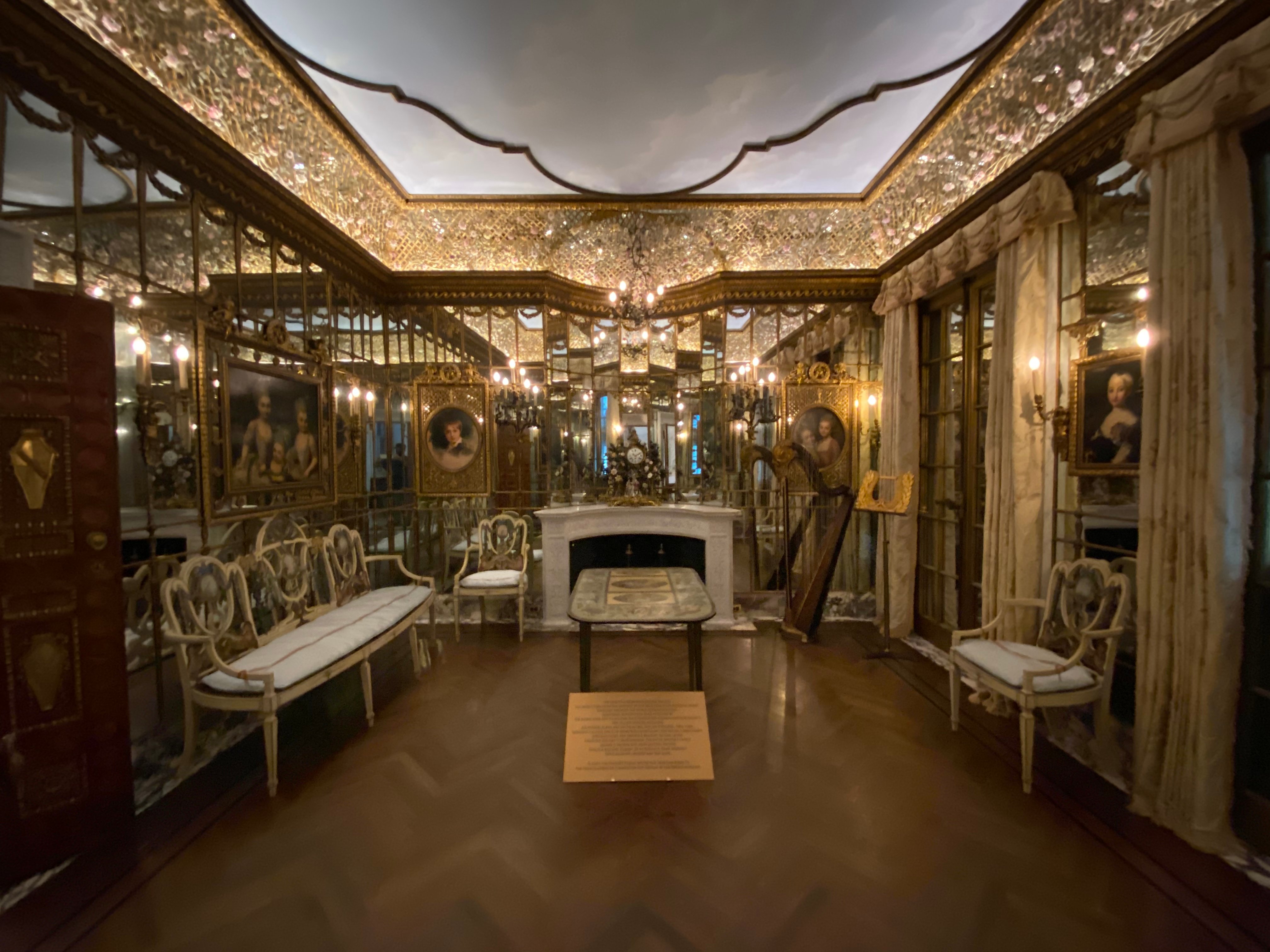
Explore the opulent estates of New York's wealthiest families with historic photos and tales
Reserve
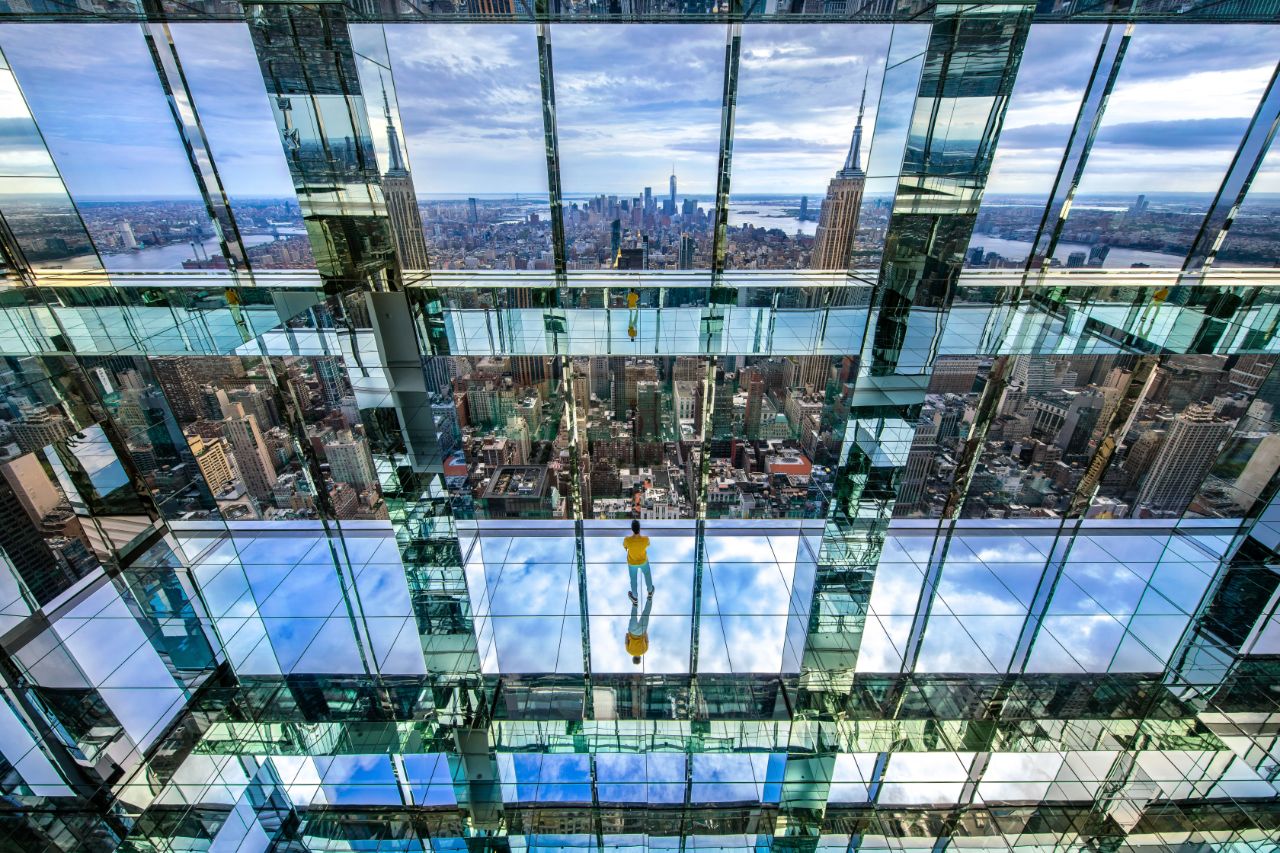
Ascend to a multi-sensory observation deck featuring mirrored infinity rooms and glass-floor ledges
ReservePrices from verified partners. Availability updates in real time at checkout. Free cancellation policies apply where shown.
The landmarks, rooms, and views travelers on this tour remember — all visible on a single visit.
Once a private residence, this mansion exemplifies the extravagant scale of Gilded Age architecture in New York. It houses a premier collection of Western art within its original domestic setting.
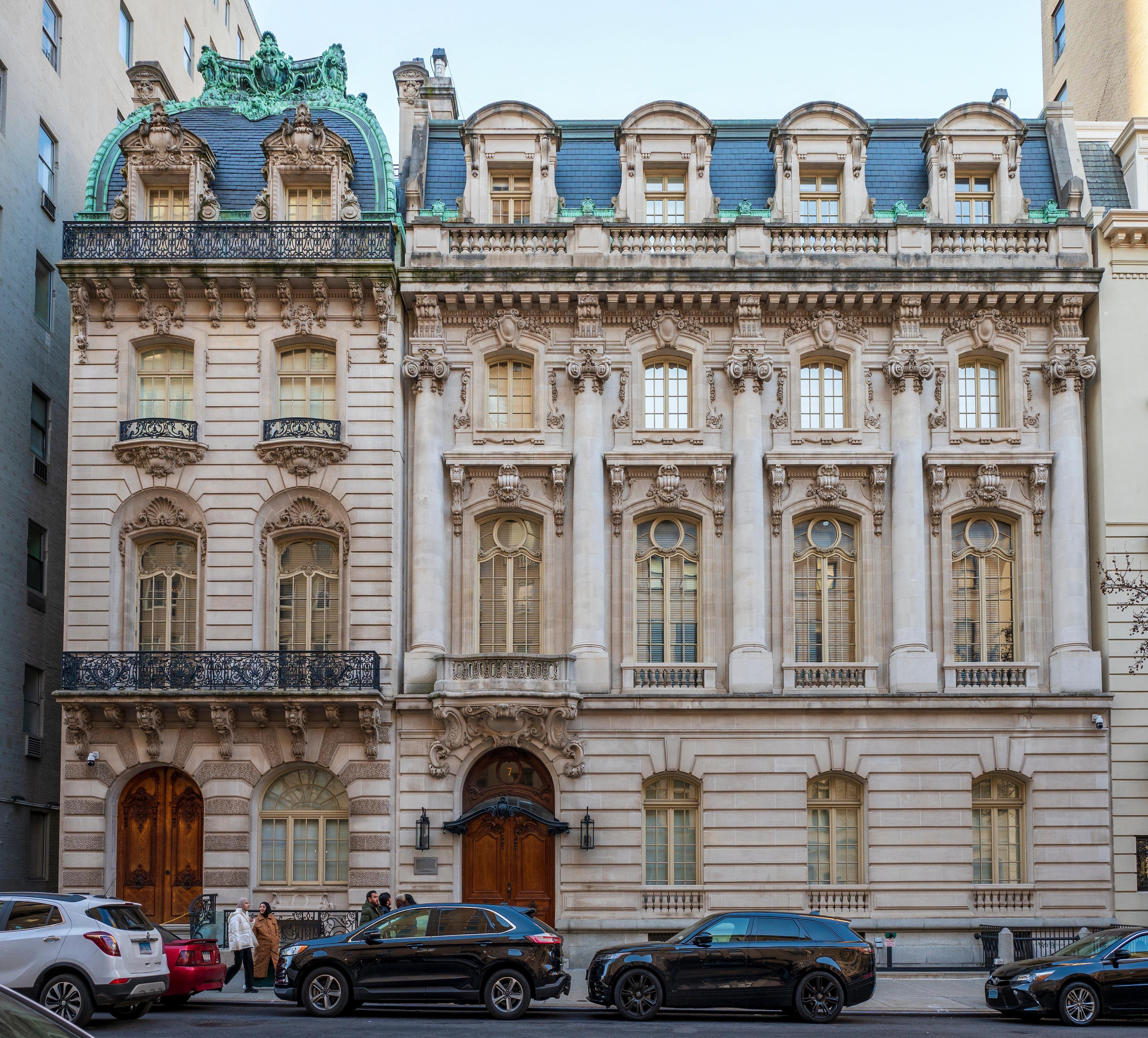
Originally built for the Duke family, this structure features intricate limestone carvings and a distinct French Renaissance style. It serves as a primary example of Fifth Avenue prestige.
This historic hotel showcases early 20th-century luxury design and opulent interior detailing. It remains a definitive landmark on the Fifth Avenue architectural tour route.
Designed by Stanford White, this private social club is a masterpiece of the Italian Renaissance revival style. It represents the height of elite Gilded Age architecture and status.
This building is notable for its Queen Anne style and historical preservation efforts. It stands as a vibrant example of residential excess during the late 19th century.
They complement each other; most visitors who do both call the Gilded Age architecture tour NYC the more enriching deep dive, while SUMMIT One Vanderbilt provides the more thrilling contemporary perspective. Selecting between these New York landmarks depends on whether your interest lies in historic limestone facades or modern glass vistas.
| Feature | Top pick Gilded Age Tour | SUMMIT One Vanderbilt |
|---|---|---|
Focus |
Historic mansions | Modern skyline views |
Engagement Type |
Walking tour | Immersive observation |
Historical Context |
19th-century society | 21st-century engineering |
Weather Dependency |
Significant impact | High impact |
Physical Activity |
Moderate walking | Minimal walking |
Educational Value |
High architectural narrative | Low narrative |
| See tickets → |
Verdict: Secure your gilded age architecture tour nyc tickets to appreciate the Gilded Age design legacy, or opt for SUMMIT to view these NYC city landmarks from above.
Choose your ticket, select your date, and reserve in under two minutes. Secure checkout handled by our verified partner.
Instant confirmation by email, with a mobile voucher you can save offline. No printing, no queuing at a collection desk.
Arrive at the entrance, show your voucher on your phone, and walk in. Most tickets include priority or skip-the-line access.
Practical details for your visit straight from our verified partners — hours, access, rules, and how to get there.
Fifth Avenue, New York, NY, USA
Look for the guide holding a tour sign
Take the 4, 5, or 6 subway lines to 59th Street or 77th Street and walk to Fifth Avenue.
Request drop-off at the intersection of Fifth Avenue and a major cross street for easiest access.
Comfortable walking shoes are recommended as this gilded age architecture tour nyc involves significant time on Fifth Avenue sidewalks.
Large backpacks are discouraged for this NYC architectural excursion as they may impede movement in crowded public areas.
Photography is permitted throughout the Fifth Avenue walk, though please be mindful of private property signage during this gilded age architecture tour nyc.
The walking route utilizes standard city sidewalks and street crossings suitable for most mobility devices during this gilded age architecture tour nyc.
Please silence mobile devices during guide presentations to ensure all participants can hear the historical commentary.
Families are welcome, though children should be able to maintain the pace of a standard city walking tour.
Water is permitted, but eating is not allowed during the guided portions of the gilded age architecture tour nyc.
Only certified service animals are permitted on this guided tour of historic New York City landmarks.
The 49 USD entrance fee covers the entire duration of the gilded age architecture tour nyc experience.
Fifth Avenue, New York, NY, USA
Look for the guide holding a tour sign
Get directionsBest time to go, insider tips, nearby landmarks, and the cancellation fine print — flip through to skim what matters to you.
How crowds, weather, and events shift across the year.
Mild temperatures and blooming flora make this an ideal time for a guided walking tour.
Warm weather prevails; arrive between 09:00 and 11:00 to avoid mid-day humidity and pedestrian traffic.
Crisp air and vibrant foliage enhance the aesthetic appeal of historic NYC landmarks.
Cold conditions require layered clothing, though holiday decorations offer unique photography opportunities.
Small details that turn a good visit into a great one.
Carry a reusable water bottle to stay hydrated during this gilded age architecture tour nyc as shade is limited on Fifth Avenue.
Apply sunscreen before starting, especially during the summer, as architectural viewing requires exposure to direct sunlight.
Wear broken-in walking shoes to comfortably navigate the concrete sidewalks throughout the tour.
Aim to arrive by 09:00 for the best light and the quietest pedestrian environment before the crowds peak.
Prepare specific questions about the Beaux-Arts style to engage more deeply with your tour guide.
Non-bookable sights within a short walk — free to visit, easy to pair.
A massive urban green space designed by Frederick Law Olmsted and Calvert Vaux.
One of the largest art museums in the world showcasing thousands of years of human culture.
A neo-Gothic landmark that stands in stark contrast to the surrounding commercial skyscrapers.
A complex of 19 commercial buildings known for Art Deco design and public art installations.
Flexible, no hidden fees.
Full refunds are available for cancellations made at least 24 hours before the scheduled start time. Cancellations requested within 24 hours of the tour are non-refundable for the 49 USD fee.
Hand-picked options within walking distance — pick a district for vibe, or a specific hotel for convenience.
Iconic historic hotel overlooking Central Park.
Renowned high-end accommodation established in the 1930s.
Various lodging options convenient to Fifth Avenue transit hubs.
Between 1870 and 1900, Fifth Avenue transformed from a residential street into America's most concentrated display of private wealth. The Vanderbilt family alone erected five mansions between 51st and 59th Streets, each designed by architects who had studied at the École des Beaux-Arts in Paris. Richard Morris Hunt's French Renaissance château for William K. Vanderbilt opened in 1882 at 660 Fifth Avenue, its limestone façade and mansard roof announcing a new architectural language for New York. The building cost $3 million—roughly $90 million today—and occupied an entire city block. Fifth Avenue's gilded age architecture tour NYC routes concentrate on the two-mile corridor where industrialists competed through commission. Stanford White designed the Villard Houses in 1884 as six interconnected Italian Renaissance palazzi around a central courtyard. McKim, Mead & White's University Club, completed in 1899, brought Florentine High Renaissance proportions to 54th Street. The Cartier Mansion at 651 Fifth Avenue, originally built for Morton Freeman Plant in 1905, showcased the Beaux-Arts style's adaptation to urban constraints: a narrow lot demanded vertical emphasis and ornamental restraint. These structures served as both residences and public declarations. The Astor mansions, built in stages from 1856 through 1896, occupied the full block between 33rd and 34th Streets until demolished for the Empire State Building in 1930. Cornelius Vanderbilt II's château at 1 West 57th Street—the largest private home ever built in Manhattan—required 130 rooms and a bronze front gate modeled after Lorenzo Ghiberti's Gates of Paradise in Florence. By 1916, most families had decamped to smaller townhouses or apartments as property taxes and maintenance costs rendered the mansions economically unviable. What remains today forms a legible record of architectural ambition. The former Cartier building still stands, its Beaux-Arts detailing intact beneath the jeweler's signage. The University Club continues its original purpose, its façade a rare survivor of Fifth Avenue's residential era. Walking these blocks traces the arc of American taste: from English Georgian restraint through French imperial grandeur to Italian Renaissance revival, each style imported wholesale and adapted to Manhattan's grid. The architecture tells a story of fortunes built on railroads, steel, and shipping—fortunes large enough to reshape a city's skyline in two decades.
"The Vanderbilt family alone erected five mansions between 51st and 59th Streets, each designed by architects who had studied at the École des Beaux-Arts in Paris."
A step-by-step walkthrough of the visit — what you'll see, how long each stage takes, and the details that matter.
You begin at the Cartier Mansion, where the morning light catches the building's limestone façade at 651 Fifth Avenue. Your guide points to the paired columns framing the entrance—a Beaux-Arts signature—and explains how Morton Freeman Plant commissioned Robert W. Gibson to design the structure in 1905. You walk north, pausing at the University Club's bronze doors. The Florentine High Renaissance windows above replicate proportions Stanford White measured in Italy; the rusticated base mirrors the Strozzi Palace. At 57th Street, you stand where Cornelius Vanderbilt II's château once filled the entire block. Archival photographs on your guide's tablet show the mansion's 130 rooms, demolished in 1927. The site is now a commercial building, but the scale remains legible: you count the lot's dimensions and picture the bronze gates, the porte-cochère, the ballroom that hosted 1,200 guests. You continue to the former Villard Houses, now part of the Lotte New York Palace Hotel. The courtyard's arcaded galleries survive intact, and you walk through the same stone passages where McKim, Mead & White's clients entered in the 1880s. Your tour concludes near the site of the original William K. Vanderbilt mansion at 660 Fifth Avenue, now occupied by a modern tower. You've walked two miles and crossed four decades of architectural ambition.
The gilded age architecture tour nyc operates exclusively on Saturdays from 09:00 to 18:00.
The tour route is designed to be accessible for participants using standard mobility devices on Fifth Avenue.
Yes, personal photography is permitted during this gilded age architecture tour nyc tour, provided it does not delay the group.
The best arrival window is 09:00–11:00 to ensure optimal viewing light and lower pedestrian congestion.
Prohibited items include tripods, drones, and large banners to ensure a safe experience for all gilded age architecture tour nyc participants.
You may cancel your gilded age architecture tour nyc tickets up to 24 hours before the start time for a full refund of the 49 USD fee.
Water is allowed, but we ask that you refrain from eating during this walking tour of Fifth Avenue.
Public transit via the 4, 5, or 6 subway lines to Fifth Avenue is the most efficient way to reach the meeting point.
Children are welcome to join the gilded age architecture tour nyc, provided they are comfortable walking for the duration of the tour.